From the Deck
The Matcha Person
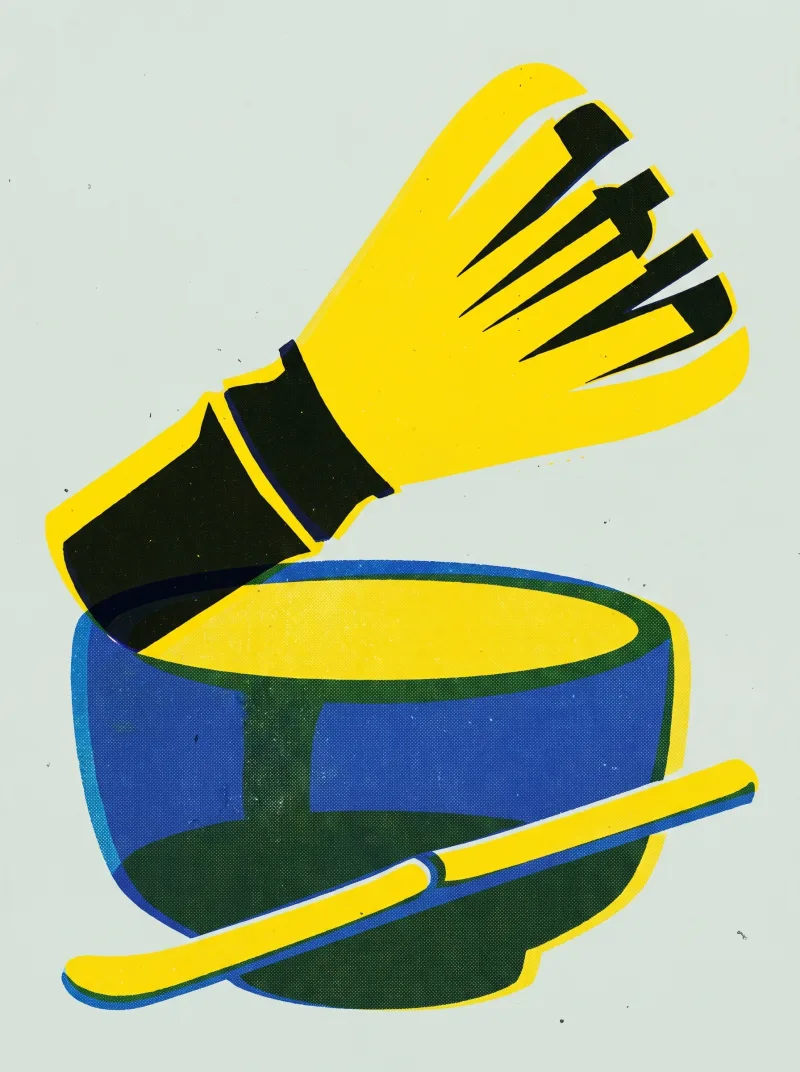
The kettle goes on before anything else. Not boiling — they will tell you why not boiling. There is a bowl, wide and heavy, and a bamboo whisk standing on a little ceramic hoop so the tines keep their shape, and a small scoop carved from a single piece of bamboo that cost more than it looks like it should.
The whole thing takes about ninety seconds and is the only part of the morning that happens at the correct speed. They have opinions about ceremonial grade, and about the shops that use the phrase without meaning anything by it. They have a supplier. They have views on the supplier's shipping.
It is a small, daily, entirely harmless obsession, and it is unusually easy to buy for once you know where to aim.
Also try
24 ideas
Live prices from the shops, checked when you look.
So which one are they?
Rummaging.
More on buying for the Matcha Person
What they've definitely already got
They have the powder, and you should be careful with it. It is sourced deliberately — a single importer, often a single farm, and a grade they have settled on after trying things they did not like. A tin bought in a supermarket because the box was green reads instantly as a guess. If you want to buy tea, buy sideways: a good hojicha, a genmaicha with real toasted rice in it, a small gyokuro from an importer who names the region.
They have a whisk. They may well have two, because a chasen wears out and the old one gets retired rather than thrown away. They do not need a bamboo starter kit, and they especially do not need an electric frother — the whisking is the point, not the obstacle.
What is almost certainly wrong is the bowl. Most people who take this up daily are still whisking in whatever wide bowl was in the cupboard. It is too small, the sides are too steep, and the glaze is not doing them any favours.
What actually works
A hand-thrown chawan. This is the gift. Wide, heavy in the hand, a foot that sits properly, a glaze somebody mixed themselves. It gets used every morning for years and it is the one object in the ritual with any personality in it. Independent ceramicists are extraordinary at this and the price range is friendlier than it looks.
Small bamboo, properly made. A hand-carved chashaku. A rest for the whisk that is not the moulded plastic hoop from the starter set. A fine sifter that actually breaks up the clumps. These cost very little, get touched daily, and are almost always still the cheap version.
Storage that keeps it alive. Matcha goes stale fast and hates light and air. A hand-made tin, a small ceramic caddy with a proper seal, a wooden natsume. Everybody knows this and almost nobody has done anything about it.
Linen, in the right weight. A chakin cloth, a small runner for the corner of the counter where all this lives, a decent tea towel that is not from a supermarket multipack. It is a set-dressing gift and it lands better than it sounds.
Somewhere for it all to live. A small tray, a hand-made stand, a shallow wooden box. Right now the whole kit is spread across a worktop and gets moved every time somebody makes toast.
What to spend
Under £30 is a genuinely strong range here — a carved scoop, a whisk rest, a sifter or a caddy, all of them used every day and all noticeably better made by hand. £30–£70 buys the bowl, which is the thing worth buying. Above £70 you are into serious studio ceramics and antique ware, which is wonderful and also very personal; go there only if you know their taste properly, and know that the ordinary answer sits comfortably below it.
The mistake almost everyone makes
Buying matcha-flavoured things. The green KitKats, the latte syrup, the scented candle that smells like a café. It is affectionate and it is the wrong read: this is not a person who likes the flavour green, it is a person who has built ninety seconds of quiet into every morning and takes the equipment seriously. Buy the bowl they drink out of. It is used more often than anything else you could possibly give them.
Questions people actually ask
What do you buy someone who is into matcha?
A bowl. A hand-thrown chawan is the one object in the ritual that is genuinely theirs, is used every single morning, and is almost never bought new — most people are still whisking in a cereal bowl. It is also where independent ceramicists are at their best.
Should I buy them matcha powder?
Only if you know where theirs comes from. They source it deliberately, often from one supplier, and grade matters to them in a way it does not to a shop. A tin from a supermarket reads as a guess. If you want to buy tea, buy from a small importer and buy something adjacent — hojicha, genmaicha, a good gyokuro.
What is a good matcha gift under £30?
A hand-carved bamboo scoop, a ceramic rest for the whisk, a small sifter, or a linen cloth. All are used daily, all are usually the cheap version that came in a starter set, and all are noticeably better when somebody made them properly.
Do they need an electric frother?
No, and it slightly misses the point. The whisking is not an obstacle to the drink, it is the reason for it — ninety seconds of doing one thing. Buy something that makes the ritual better rather than shorter.