From the Deck
The Cocktail Maker
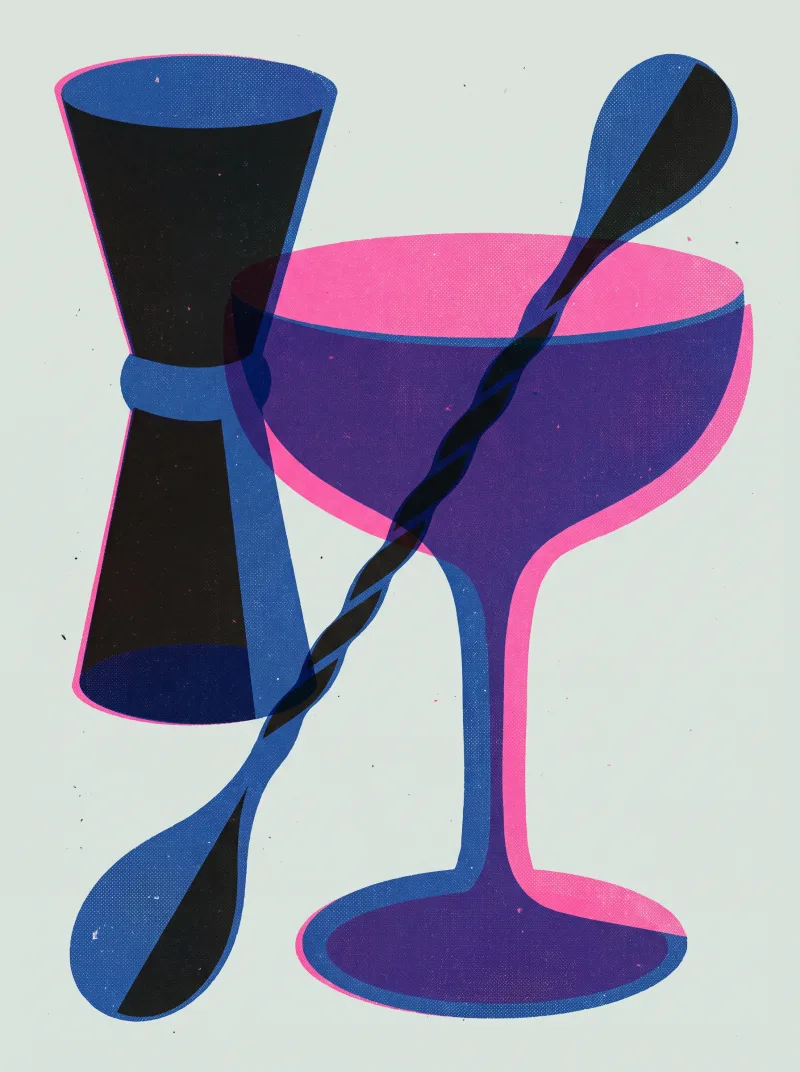
There is a tray. It started as a corner of a worktop and it is now unmistakably a tray, with things arranged on it in an order that means something. There is a shaker with a slightly dented tin because that is the one that seals properly. There is ice being made in a mould that produces a single enormous cube, and there is a short lecture available about why.
The shelf behind it is the real tell. Bottles you have never heard of, half of them barely touched, most of them bitter, several with handwritten labels. They were bought one at a time, each because a specific drink needed it, and each has since been used twice.
They will make you something. It will be genuinely excellent, it will take eleven minutes, and you will be told what is in it whether or not you asked.
Also try
24 ideas
Live prices from the shops, checked when you look.
So which one are they?
Rummaging.
More on buying for the Cocktail Maker
What they've definitely already got
They have the tools. The shaker, the strainer, the jigger, the mixing glass, the long spoon — bought in the first three months, replaced once when the cheap one annoyed them, and now settled. Do not buy a cocktail set. A boxed shaker-strainer-jigger is the gift for somebody who has not begun. Arriving with one for a person two years in reads as a downgrade of the kit they carefully assembled, and there is no polite way to say so.
They have the famous bottles. Whatever gin you are looking at, they have poured it or decided against it. The same goes for the well-reviewed rum and the whisky everybody bought in 2023.
They also have ice sorted, which surprises people. Clear ice, big cubes, a mould or a chest freezer trick. That was solved early and enthusiastically.
What is almost certainly a mess is the glassware. Four coupes from three different sets, one chipped, a highball that is really a water glass. And the consumables — syrups, cordials, garnishes — are wherever they got to last, which is usually a supermarket.
What actually works
Glassware made by an actual person. Hand-blown coupes, cut crystal from a small workshop, heavy-bottomed rocks glasses with a weight to them. This is the part of the setup they look at most and have invested in least, and a pair of beautiful glasses is used every single time.
Bitters and amari from small producers. The whole shelf is built on curiosity, so an unfamiliar bottle is not a duplicate — it is a new drink to research. Regional amari, house bitters from a bar that bottles its own, something with a botanical they cannot place. Under £30 and endlessly welcome.
Syrups and cordials somebody actually made. Oleo saccharum, proper grenadine that has seen a pomegranate, sea buckthorn, spiced demerara. Most home bartenders are still using something from a supermarket and quietly know it.
Small metal, well made. Hand-forged bar spoons, brass jiggers with a real weight, hand-turned picks, a heavy mixing glass. These are the objects that get picked up forty times a week, and the difference between a cheap one and a made one is felt every time.
The bit after the drink. Hand-thrown pinch bowls for garnish, a small wooden board, linen bar towels that are not tea towels, a proper strainer for the citrus. This is the unglamorous end of the tray and it is entirely unbought.
What to spend
Under £30 buys a genuinely excellent bottle of bitters, a syrup from a real producer, or a set of picks — none of it filler, all of it used quickly. £30–£90 is the range for glassware or a good piece of bar metal, and glassware is the strongest gift on this card at any price. Above that you are into spirits and serious crystal, both of which are personal enough that you want an instruction first.
The mistake almost everyone makes
Buying the joke. The recipe book of a hundred cocktails they already know, the sign for the kitchen wall about it being five o'clock somewhere, the novelty shaker shaped like something. It is the same misread every time: treating a genuine craft interest as a drinking joke. This is a person who has learned to make something difficult very well and enjoys doing it for other people. Buy the glass they hand it over in.
Questions people actually ask
What do you buy someone who makes cocktails at home?
Glassware or something consumable. The tools were bought early and are settled; the glasses are usually a mismatched set from three different places, and the interesting bottles are the whole hobby. Both are easy to get right and neither is a duplicate.
Should I buy them a cocktail set?
No. A boxed set of shaker, strainer and jigger is the gift for somebody who has not started. This person started two years ago, replaced the shaker once, and has opinions about the strainer. A set arrives as a downgrade of what they already own.
What is a good cocktail gift under £30?
A bottle of bitters from a small producer, a proper set of picks, a hand-thrown pinch bowl for garnishes, or good syrup made by somebody rather than a factory. All consumable or small, all used within a fortnight.
Is spirits a safe gift?
Safer than equipment, riskier than bitters. They know their gins. Go sideways instead — an amaro, a vermouth kept properly, a sherry, something bitter and regional they will not have poured. The unfamiliar bottle is the gift; the famous bottle is a bottle.